


Unplugged in the Alps: Crafting Self-Reliant Mountain Cabins

Today we journey into Off-Grid Mountain Cabins: Designing Unplugged Retreats in the Alps, celebrating energy independence, quiet craftsmanship, and stewardship high above valley towns. Expect pragmatic strategies for siting, power, water, and comfort, braided with field stories from hut keepers, carpenters, and trekkers. We will explore resilient materials, passive techniques, and mindful rituals that keep cabins warm, frugal, and welcoming through brutal winters and dazzling summers, inviting you to imagine, design, and perhaps someday build a refuge that listens carefully to wind, snow, and sun.

Reading the Mountain: Site, Sun, Wind, and Snow

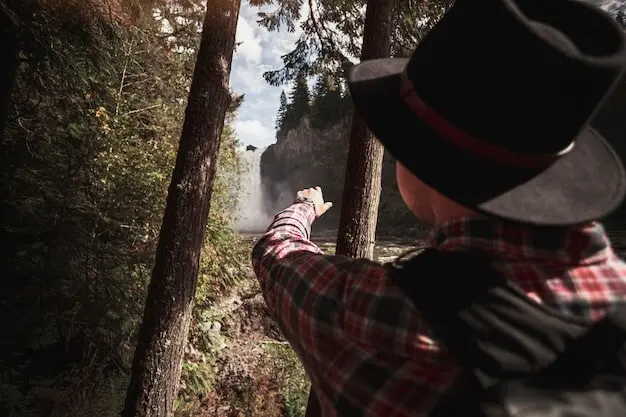
Every successful alpine refuge begins with attention to landforms, light, and weather. South-facing slopes might promise winter sun yet suffer fierce afternoon katabatic winds; sheltered saddles collect snow and shade that test structural strength and morale. We’ll weigh avalanche paths, rockfall trajectories, frost heave, and permafrost pockets, then map animal corridors and fragile alpine meadows. With patient observation and humble footwork, a cabin can tuck into the landscape, harvest warmth, dodge drifts, and anchor on sound ground, leaving delicate ridgelines and wild waterways unscarred.

Mapping Microclimates

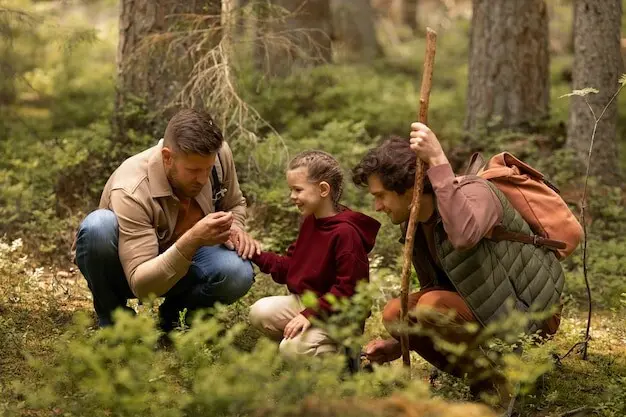
Carry a compass, clinometer, and notebook, then sketch solar angles, shadow bands, and the sly paths of cold air sliding downslope at dusk. Note where dwarf pines shield ground from scouring winds, where morning fog lingers, and where radiant heat escapes to starry skies. These quiet patterns determine window placement, deck usability, panel tilt, and even where snow melts first for water. Microclimates are small, stubborn truths that reward patient watchers and repay them with comfort, resilience, and power budgets that actually align with reality.

Ground Truthing with Boots and Seasons

Visit in October’s brittle light, January’s white silence, April’s thaw, and August’s crisp thunder afternoons. Listen for freeze-thaw pops in boulders, trace meltwater threads that become spring torrents, and test soil bearing with a spade, not assumptions. Drone photos help, yet nothing replaces knees on moss and fingers in mineral soils. Recording wind roses, cornice formation, and morning inversions across seasons prevents costly mistakes, guides foundation choice, and places paths and outhouses where snow shovels and guests will actually thank you later.

Respecting Hazards and Habitats

Avalanche runouts are not romantic backdrops; they are moving rivers of debris that ignore property lines. Rockfall gullies tell stories in scarred trunks and shattered talus. Chamois, ibex, and capercaillie travel predictable routes that deserve your deference. Place structures outside release zones, design roofs to shed safely, and light paths with warm, shielded fixtures that protect night skies. Collaborate with local guides and biologists; their knowledge turns avoidance into alignment, preserving safety, silence, and the everyday wonder that guests remember years afterward.

Independent Power at Altitude

Electricity on a ridge is earned, not assumed. Winter’s short days, crystalline cold, and snow curtains demand generous panel sizing, stout hardware, and storage that laughs at subzero nights. We’ll compare solar configurations, micro‑hydro trickles from spring-fed rills, and the reality of alpine wind. Thoughtful inverters, DC-first circuits, and load scheduling tame fridges, pumps, and lights. Redundancy matters, but elegance matters more: simple systems, clear labels, and rituals that make energy visible so guests cherish every lumen and watt-hour with gratitude.

Water, Warmth, and Waste Without the Grid

A cabin survives on quiet cycles: snow becomes drinking water; heat arrives from sun and stoves; wastes return as soil rather than scars. We’ll explore indoor cisterns that avoid freezing, gravity-fed lines, and filters that respect alpine minerals. Composting toilets with urine diversion keep odors and pathogens low while protecting streams. Greywater wetlands and mulch basins polish soaps without chemical fuss. Winterization, code compliance, and guest education intertwine so hygiene feels luxurious, footprints stay small, and the mountain keeps breathing.

Materials and Methods for Thin Air

Light to Lift, Strong to Last

Design modules within helicopter payloads, balancing span, stiffness, and joinery simplicity. Snow loads and creeping drifts demand stout overhangs, diagonal bracing, and sturdy connections that welcome seasonal movement. Select screws and plates rated for cold embrittlement, and predrill to spare fibers. Where access allows, panelized assemblies ride tracked carriers, then stitch together with weather-tight gaskets. Structural honesty means fewer surprises when winds howl. Document lifting points and rigging clearly; calm installations rely on choreography, radios, and parts that fit the first time.

Envelopes that Breathe Intelligently

Design modules within helicopter payloads, balancing span, stiffness, and joinery simplicity. Snow loads and creeping drifts demand stout overhangs, diagonal bracing, and sturdy connections that welcome seasonal movement. Select screws and plates rated for cold embrittlement, and predrill to spare fibers. Where access allows, panelized assemblies ride tracked carriers, then stitch together with weather-tight gaskets. Structural honesty means fewer surprises when winds howl. Document lifting points and rigging clearly; calm installations rely on choreography, radios, and parts that fit the first time.

Finishes that Age with Dignity

Design modules within helicopter payloads, balancing span, stiffness, and joinery simplicity. Snow loads and creeping drifts demand stout overhangs, diagonal bracing, and sturdy connections that welcome seasonal movement. Select screws and plates rated for cold embrittlement, and predrill to spare fibers. Where access allows, panelized assemblies ride tracked carriers, then stitch together with weather-tight gaskets. Structural honesty means fewer surprises when winds howl. Document lifting points and rigging clearly; calm installations rely on choreography, radios, and parts that fit the first time.

Comfort from Passive Design

Windows that Work Hard

Specify triple glazing with tuned low‑e coatings that love low sun and reject summer overheat. Pair with insulated shutters or exterior screens that slide easily during storms. Frame views intentionally—peaks, pines, and constellations—without sacrificing surface‑to‑volume ratios. Install deep sills that cradle tea mugs and seed trays. Gaskets, tapes, and square reveals matter as much as brand names. Train guests to manage shades with the clock of the mountain, turning passive gains into evening warmth that lingers kindly after twilight.

Heat Where and When You Need It

Zone spaces small and smart: sleeping nooks crave cooler air, while drying rooms want assertive warmth. Radiant floors fed by solar‑assisted loops or compact boilers keep toes delighted without roaring fans. Thermal curtains earn affection on moonlit nights. Wood stoves shine as convivial hearts, yet clearances, hearth pads, and flue geometry deserve rigor. Store kindling indoors, moisture‑meter logs, and post a one‑page firing ritual. Heat becomes craft, not panic, and mornings greet you with glass that stays mercifully clear.

Fresh Air, Quiet Mind

Choose HRV cores rated for frost, provide drains, and design ducts with slow bends that hush whispers. Place intakes above snow lines and far from stovepipes. Balance flows, monitor humidity, and celebrate the mild whoosh of clean air. Sleeping lofts at altitude can feel stuffy; consider CO2 sensors and small purge cycles at dawn. Pollen seasons are brief but real; filters win gratitude. Free of condensation and stale corners, interiors support rest, reading, and patient breakfasts that rewrite city habits.

Getting There and Playing Safe

Mountain cabins are built and lived by logistics. Access may rely on narrow tracks, funiculars, mules, snowcats, or rotorcraft, each with costs, permissions, and etiquette. Permitting crosses provincial boundaries and protected zones with paperwork that rewards neighbors and penalizes shortcuts. Jobsite safety weaves into long-term operations: avalanche awareness, radios, first aid, and weather literacy. When deliveries, guests, and emergencies align gracefully, the cabin feels inevitable. When they don’t, contingency plans and cheerful patience keep stories good and people unharmed.

Permits Without Pitfalls

Each canton or region—Valais, Graubünden, Tyrol, Aosta—guards landscapes with justifiable care. Prepare drawings that speak modestly, model visibility from trails, and respect agricultural rights and heritage lines. Natura 2000 and park rules may limit lighting, noise, and water intake. Meet the warden before submitting anything. Agreements with shepherds and hut associations earn trust that outlasts signatures. Document access routes and restoration plans. When authorities see humility and rigor, approvals become collaboration, and the finished refuge becomes a local ally, not an imposition.

Logistics in Thin Air

Stage materials in valley depots, preassemble connections, and label crates the way pilots like: big, legible, weatherproof. Watch forecasts obsessively; a sudden foehn can ground flights or snap tempers. Heli-lift manifests, slings, and balance bars deserve as much rehearsal as joinery. On snow, sleds and snowcats spread loads; mark routes to spare fragile plants beneath. Waste leaves as carefully as steel arrives. When trucks, animals, and helicopters disappear, a broom, a sled, and neighborly hands remain the most reliable tools.

Emergency Ready

Design for bad days. Place a grab‑and‑go medical kit by the exit, mount fire extinguishers where instincts reach, and tag shutoff valves in bright colors. Provide satellite messengers, charge cables, and laminated instructions that work in gloves. Include backup headlamps, oxygen awareness if elevations warrant, and a redundant heat source that does not share a failure mode. Practice drills with guests like a friendly game. Good preparedness fades into the background until the hour it matters, then snaps into useful grace.

Stories, Rituals, and Community

Beyond diagrams, an alpine refuge breathes through people. Wardens teach stove dances, children learn snow-quiet, and friends discover that phones can nap for days. House rules turn gentle—boots off, shutters at dusk, water mindful. Journals collect sketches and storm poems. Stewardship days bring neighbors to mend trails, mulch wetlands, and share soup. Subscribe for field notes and build-along guides, then tell us what you’re wrestling with. Your questions, sketches, and winter victories help this high-country conversation remain honest, warm, and useful.
Daxinexoveltonovisavi
Privacy Overview

This website uses cookies so that we can provide you with the best user experience possible. Cookie information is stored in your browser and performs functions such as recognising you when you return to our website and helping our team to understand which sections of the website you find most interesting and useful.