High-Altitude Comforts, Hand-Gathered and Patiently Made
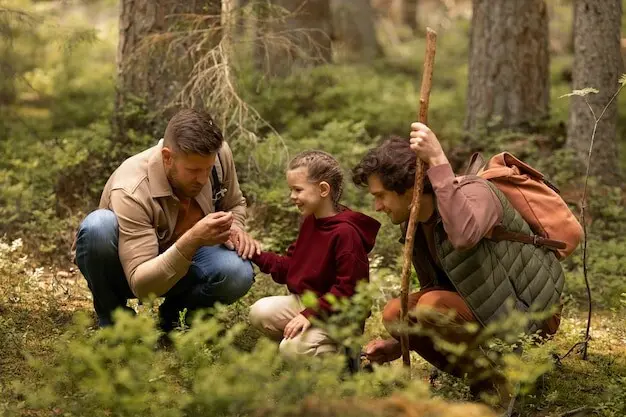
Today we dive into Seasonal Alpine Pantry: Foraging, Fermentation, and Slow Cooking, gathering what the mountains grant, preserving with patient microbes, and cooking low and slow until flavors turn deep and reassuring. Expect practical checklists, field anecdotes, safety reminders, and recipes shaped by altitude and weather, all meant to help you stock jars, crocks, and shelves that carry comfort across meltwater springs, thunderous summers, golden autumns, and long, whispering winters.
Altitude Harvests and the Rhythm of the Year
Alpine seasons move in quick windows: snow retreats, shoots rush upward, and daylight stretches before storms return. Understanding this cadence lets you gather responsibly, choose preservation methods that fit temperature swings, and plan meals that truly honor place. Here’s how the year’s turning informs your basket, jars, and simmering pots.
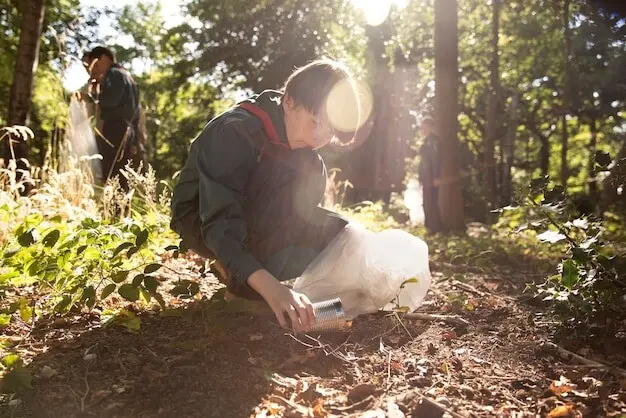
When south faces shed ice, the first treasures appear: ramsons perfuming gloves, nettle tips bristling with vitamins, dandelion crowns flashing bitter light. Carry a small knife, breathe slowly, and harvest modestly; the goal is brightness in soups, pestos, and ferments that wake winter-dulled senses.
July pastures hum with bees and offer bilberries, alpine strawberries, and thyme bouquets drying on warm stones. Work early, shade delicate leaves, and keep water handy. A day’s picking becomes jams, syrups, herb salts, and quick brines that taste like sun held gently in glass.
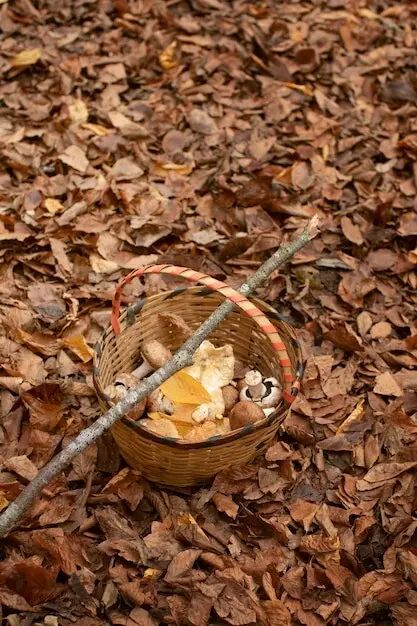
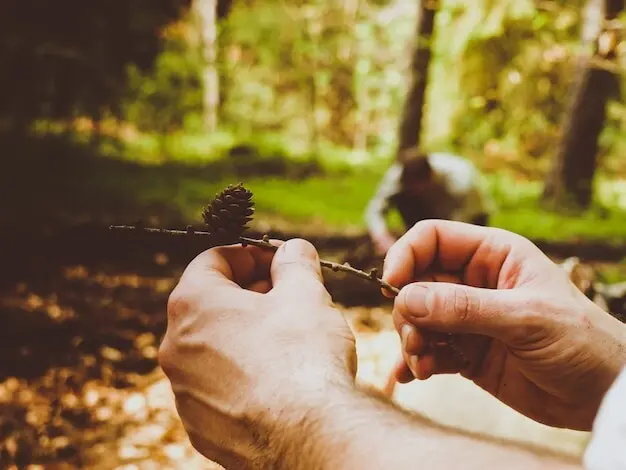
As larches burn gold, mushrooms reveal themselves—porcini thick as fists, chanterelles shining faintly like embers. Learn habitat clues, carry a brush, and never mix unknowns. Roots, rosehips, and rowan berries join baskets too, promising stews, teas, and preserves to soften the first frosts.
Forager’s Safety and Mountain Ethics
Gathering where cliffs meet clouds carries responsibilities. Proper identification prevents harm; respectful harvests ensure tomorrow’s abundance; and steady mountain judgment keeps you dry, warm, and oriented. These practices protect ecosystems shaped by wind, thin soils, and patient snow, while protecting you and those who share your table.
Knowing Before Picking
Bring multiple sources: regional field guides, a trusted mentor, and a phone camera for notes, not shortcuts. Confirm gill structure, smell, habitat, and bruising. If doubt whispers, you do not pick. Celebrate certainty rather than volume; stewardship begins with unhurried, teachable curiosity.
Leave No Trace, Feed Tomorrow
Plants feed insects, birds, and grazing herds before they meet our baskets. Leave roots when cuttings suffice, skip rare patches, and never strip a hillside. Rotate locations each season; measured hands today create generous landscapes for future walkers and hungry winters.
Ferments that Prefer the Cold
Cool cellars and stone kitchens favor patient bacteria. While boiling points drop with altitude, lactic acid fermentation happily slows, building cleaner acidity and crunch when salt and temperature remain steady. Use crocks, jars, and water locks to guide invisible collaborators toward bright, dependable preserves.
Cabbage, Caraway, and Mountain Salt
Shred cabbage with mindful rhythm, scatter mountain caraway, and massage with two percent salt until it weeps. Pack tightly under brine, weight, and wait in a cool corner. Taste daily after a week; crispness and tang sharpen like distant peaks after rain.
Wild Greens Under Brine
Nettle, dandelion, and sorrel stems soften beautifully with garlic, pepper flakes, and juniper in a light brine. Keep greens submerged, surface clean, and lids burping. Weeks later, spoon brightness onto grains, roasted roots, or buttered bread beside woodsmoke and thawing boots.
Barley, Beans, and Collagen-Rich Stews
Pearled barley swells beside white beans, thyme, and a heel of smoked pork or dried mushrooms. Long simmering turns broth silky and grains toothsome. Finish with a spoon of sauerkraut brine; the acidity brightens everything like stars cutting through an alpine night.
Cast Iron Discipline
A heavy pot disciplines impatience. Preheat slowly, deglaze deliberately, and let lids capture mountain humidity. Cast iron and clay radiate even warmth, turning tough cuts tender without scorching. Maintenance is love: dry thoroughly, oil lightly, and thank ancestors who learned by tasting steam.

Timing Without a Clock
Let dinner decide its own hour. Begin after lunch, then read, mend, or write labels while aromas negotiate balance. If guests arrive early, offer fermented carrots and bread. The main pot will declare readiness with softened edges and a friendly, rising hush.
A Pantry that Bridges Valleys and Winters
A good mountain pantry balances immediacy and patience: jars bright with pickles, baskets of dried mushrooms, sacks of grains, and a few luxuries to sweeten storms. Organize thoughtfully, rotate kindly, and design shelves that invite curiosity, thrift, and generous, spontaneous suppers.
Labeling, Rotation, and Joyful Audits
Clear labels outlive memory. Note harvest spots, salt percentages, and opening dates. Stack oldest in front, celebrate empty jars as victories, and host monthly pantry nights to cook from reserves. Ritual makes stewardship joyful, turning logistics into stories you can taste and share.
Drying Racks, Cellars, and Snowbanks
Mountain air cures salami slowly; rafters dry herb bundles; cellars cradle crocks at steady temperatures. In deep cold, snowbanks become fridges for sealed containers. Respect mice with tight lids and peppered soap. Each storage method is a contract between patience, cleanliness, and climate.
Storm Staples and Moral Support
Keep tins of fish, jars of beans, and squares of dark chocolate ready for blizzards that stall deliveries. A small stash of pickled chilies lifts spirits and soups. Comfort matters: a pantry should feed resilience, laughter, and the kind of sleep snow rewards.
Stories, Skills, and an Invitation to Your Table
{{SECTION_SUBTITLE}}
Grandmother’s Barrel and the Crisp Bite
My grandmother salted cabbage until her knuckles pinked, then tucked a carved beech disk beneath brine. When the first frost bit, she fished a tangle, squeezed, and grinned at the snap. Every crisp strand felt like a glass window catching blue mountain light.
Shepherd’s Dawn Porridge and Jam
A shepherd once traded me cloud-thick yogurt for a jar of blueberry jam. We ate with wooden spoons beside woolly silence. He explained snowlines, I described pectin set. Shared sweetness, sourness, and steam became language enough, and the path home seemed nearer.